
Piano Hinges in Pakistan: Sizes, Materials and How to Fit Them
A piano hinge (continuous hinge) runs the full length of a door, lid or flap. Here is how to choose the size and material, cut it to length and fit it so it opens smoothly.
By Shahid Iqbal & Co — — 5 min read
A piano hinge is one long hinge that runs the full height or width of a door, lid or flap, instead of two or three small hinges. It is also called a continuous hinge. Because it supports the door along its whole edge, it keeps long or heavy panels straight and stops them sagging. This guide from Shahid Iqbal & Co, a Lahore supplier of furniture hardware, explains how to choose one, how to cut it to length and how to fit it.
What is a piano hinge?
A piano hinge is two long metal leaves joined by a single pin that runs through all the knuckles. It got its name from piano lids, which it was first used on. Today you will find it on:
- fold-down flaps and drop-leaf tables
- long cupboard, wardrobe and locker doors
- display cabinets, toolboxes and storage boxes
- lids, counters and service hatches
- shop fittings, kitchen worktop flaps and workshop benches
Piano hinge or ordinary butt hinges?
| Piano hinge | Two or three butt hinges | |
|---|---|---|
| Support | Along the whole edge | At a few points only |
| Sagging on long doors | Very little | Can sag between hinges |
| Look | Continuous line, can be hidden or neat | Hinge knuckles visible at set points |
| Fitting | Many screws, needs careful alignment | Quick to fit |
| Best for | Long, heavy or lift-up panels | Standard cupboard and room doors |
If a door or flap is long and narrow, a piano hinge is usually the better choice. For a normal cupboard door, ordinary hinges are simpler.
Choosing the material
- Iron or mild steel. The most affordable option. Fine for dry indoor furniture. If the coating is scratched it can rust, so keep it away from damp areas.
- Stainless steel. Resists rust. A good choice for kitchens, bathrooms and anywhere humid. Read our material comparison.
- Brass. Looks warm and decorative, resists corrosion and suits classic furniture and display cabinets. It is softer than steel, so do not use it for very heavy loads.
- Aluminium. Light and rust-free, suited to light lids and small flaps.
Choosing the size
Piano hinges are described by a few measurements. Check each one on the product listing before you order:
- Length. Hinges are sold in long strips and can be cut shorter. Choose a strip at least as long as the edge you are fitting.
- Open width. The width of both leaves laid flat. This decides how much of the door and the frame the hinge covers.
- Thickness. Thicker metal carries more weight and bends less.
- Hole spacing and screw size. Make sure the screws that fit your hinge suit your board (see below).
For heavier doors choose a wider, thicker hinge. Do not use a thin, light hinge on a heavy panel.
How to cut a piano hinge to length
- Measure the edge you will fit and mark the hinge.
- Hold the hinge steady in a vice or clamp it to a bench.
- Cut through the leaves and the pin together with a fine-tooth hacksaw, or a cutting disc if you have one.
- File the cut end smooth so it does not catch or scratch.
- Check that the hinge opens and closes freely before fitting.
How to fit a piano hinge
- Mark the position. Decide whether the hinge will sit on the surface or be recessed. Mark a straight line along the edge.
- Fit the hinge to the frame first. Hold it against the line with the knuckle facing the right way and mark each screw hole.
- Drill pilot holes for every screw. In chipboard and MDF this stops the board splitting and helps the screws grip.
- Fix with matching screws. Use screws that sit flush with the leaf and are short enough not to push through the other side.
- Fit the door or flap. Support it level, mark the other leaf, drill and fix.
- Check the swing. If it binds, loosen the screws a little and adjust.
Common mistakes
- Using a hinge that is too thin for the weight of the door.
- Skipping pilot holes, so the board splits or the screws pull out.
- Fitting only a few screws. A piano hinge works best with a screw in every hole.
- Not lining the two leaves up, which makes the door twist or rub.
- Choosing iron for a damp room where it will rust.
Order piano hinges from Lahore
Browse our hinges or send us the length and material you need on WhatsApp at +92 311 7798157 and we will tell you what we have in stock. We supply home owners, carpenters and hardware shops across Pakistan, with delivery by bank transfer or Cash on Delivery. Shops can read about wholesale orders.
Frequently asked questions
What is a piano hinge used for?
It is used on long doors, lids and fold-down flaps where support is needed along the whole edge, such as drop-leaf tables, display cabinets, toolboxes and long cupboard doors.
Can I cut a piano hinge to a shorter length?
Yes. Cut it with a fine-tooth hacksaw or a cutting disc, cutting through the pin as well, then file the end smooth.
Which material is best for a piano hinge in humid weather?
Stainless steel or brass resist rust better than plain iron, so they suit kitchens, bathrooms and humid rooms.
How many screws does a piano hinge need?
Use a screw in every hole. The load is then spread across the whole length, which is the whole point of a piano hinge.
Where can I buy piano hinges in Lahore?
At Shahid Iqbal & Co, 218/18 Ferozepur Road, near WAPDA Hospital, Lahore, or online with delivery across Pakistan.
Ready to choose?
Every product page lists the exact size, finish and hole spacing. Not sure what fits? Send us your measurements on WhatsApp at +92 311 7798157 and we will help you pick. Hardware shop or trade buyer anywhere in Pakistan? Ask for wholesale rates on WhatsApp or through the bulk enquiry form.
More guides
Brass and Antique Cabinet Knobs: Sizes, Styles and How to Choose
Solid brass and antique-style knobs suit dressing tables, wardrobes and classic furniture. Learn how knobs differ from pull handles, how big they should be and where to place them.
26 October 2026 — 4 min read
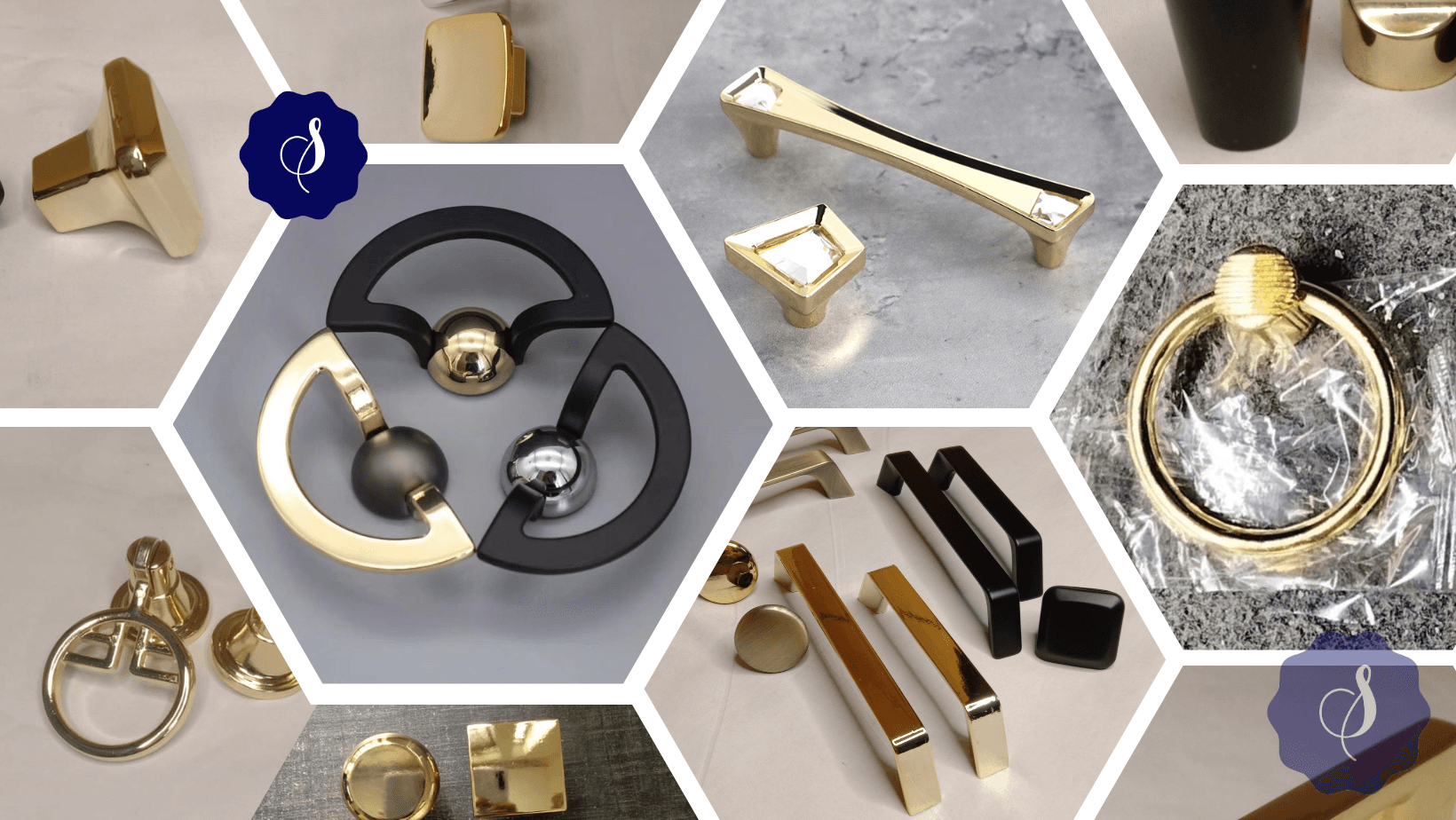
Furniture Handles & Drawer Knobs Online in Pakistan: Styles, Sizes and Prices
Furniture handles and drawer knobs may look like small accessories, but they can make a remarkable difference to the appearance of your furniture. Whether you…
12 October 2026 — 7 min read
Drawer Handles in Pakistan: How to Choose the Right Size, Style and Finish
Drawer handles may be small, but they have an important role in furniture design. A drawer handle needs to provide enough grip to open the drawer comfortably…
11 October 2026 — 8 min read