
Brass vs Stainless Steel vs Zinc Alloy Handles
How the most common handle materials compare for feel, durability and upkeep, and which one suits your kitchen, wardrobe or main door.
By Shahid Iqbal & Co — — 3 min read
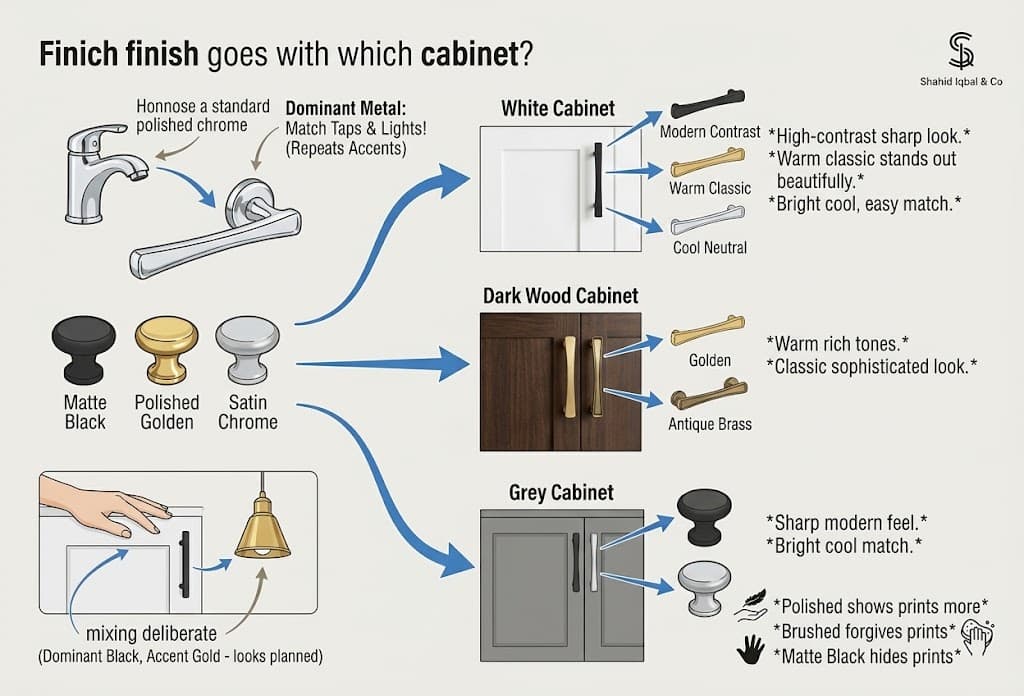
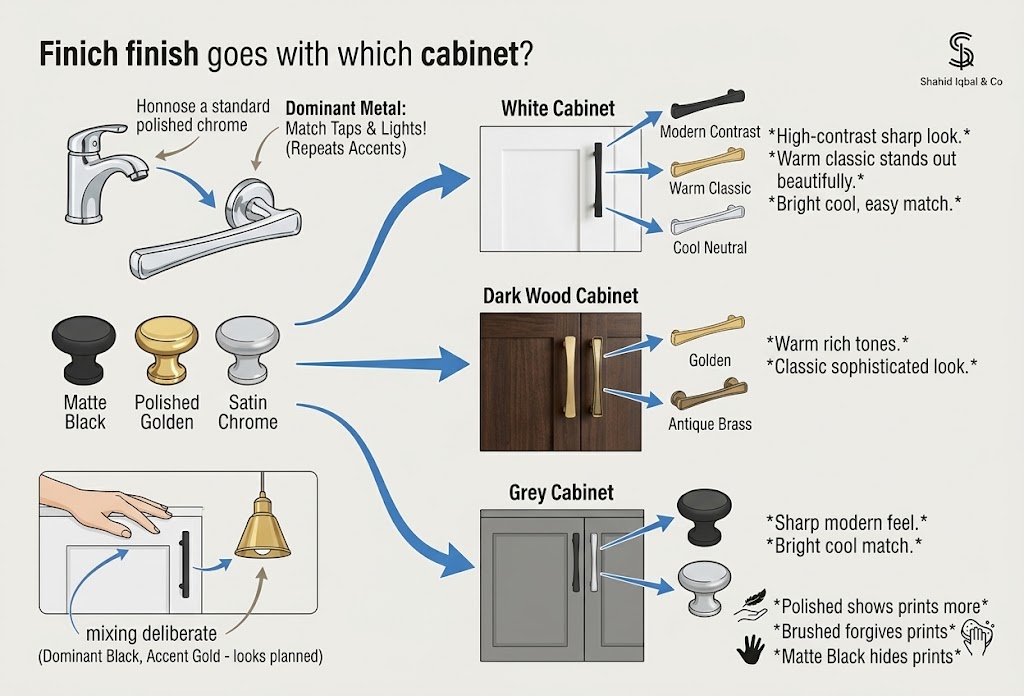
The material decides how a handle feels in your hand, how it ages and how long it lasts. Here is how the most common materials compare, so you can choose for the room — not just the look.
Brass
Brass is a dense copper-and-zinc alloy. It is heavy, solid and does not rust, because it contains no iron. Over time brass can darken and develop a warm patina, unless it has been lacquered to keep it bright. It usually costs more than other materials, but it is the traditional choice for pieces meant to last, especially main door handles.
Stainless steel
Stainless steel resists rust and stains and is very strong, which makes it a sensible choice for kitchens and bathrooms. It has a cool, modern look, and brushed finishes hide fingerprints well. It is harder to form into ornate shapes, so designs tend to be simpler.
Zinc alloy
Zinc alloy is cast in a mould, which allows detailed shapes at a lower price. The colour you see is a plated or coated finish over the base metal, so the quality of that finish matters most. It works well for wardrobes and bedrooms where handles are touched less often, but heavy daily use can wear a thin coating.
Aluminium
Aluminium is light and does not rust. It is softer than the other metals and can dent or scratch, so it suits light-use cupboards better than busy kitchen drawers.
Quick comparison
| Material | Feel | How it ages | Best for |
|---|---|---|---|
| Brass | Heavy, solid | Warm patina, or stays bright if lacquered | Main doors, kitchens, long-term use |
| Stainless steel | Solid, cool | Very little change | Kitchens, bathrooms |
| Zinc alloy | Medium weight | Depends on the finish quality | Wardrobes, bedrooms, low-traffic doors |
| Aluminium | Light | Can scratch or dent | Light-use cupboards |
Which should you choose?
- Kitchen: brass or stainless steel. Steam, grease and frequent cleaning are hard on thin finishes.
- Bedroom and wardrobe: zinc alloy or brass, depending on budget.
- Bathroom: stainless steel or brass, because of moisture.
- Main door: brass. It is exposed to sun, dust and rain and is handled every day.
Lahore's hot summers and monsoon humidity are tough on thin plated finishes, so a solid metal such as brass or stainless steel is the safer long-term choice for hardware you touch every day.
How to judge quality when you shop
- Weight: solid pieces feel noticeably heavier than hollow or thin ones.
- Finish: it should look even, with no rough patches or bubbles.
- Edges and threads: casting edges should be smooth and screw threads clean.
- Honest listings: the material should be stated clearly in the product specifications. Browse door handles or cabinet handles to compare.
Frequently asked questions
Is brass better than zinc alloy?
Generally brass is more durable and feels more substantial, while zinc alloy offers detailed designs at a lower price. For rarely used doors, a well-finished zinc alloy handle can be good value.
Will brass rust?
No. Rust needs iron, and brass contains none. Brass can tarnish or darken over time, which is normal. Our care guide explains how to keep it looking good.
Which material is best for humid areas?
Stainless steel and brass both cope well with moisture. Avoid thin-plated handles in bathrooms and kitchens if you want them to last.
Ready to choose?
Every product page lists the exact size, finish and hole spacing. Not sure what fits? Send us your measurements on WhatsApp at +92 311 7798157 and we will help you pick.
More guides
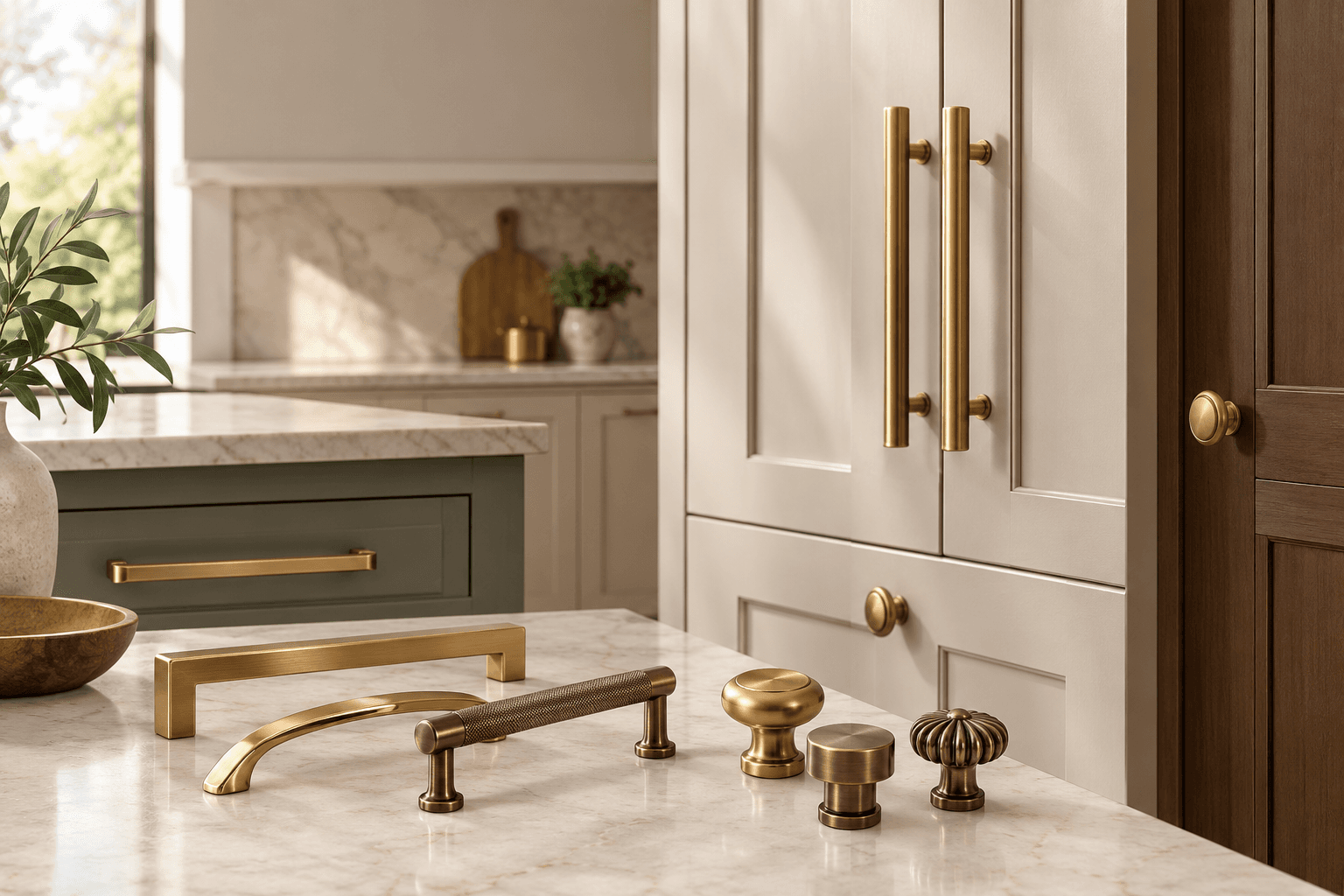
Brass Cabinet Handles and Knobs in Pakistan | Siqbal Hardware
Brass Cabinet Handles and Knobs: Add Warmth and Style to Your Furniture When it comes to furniture and interior design, small details can make a big…
3 October 2026 — 6 min read
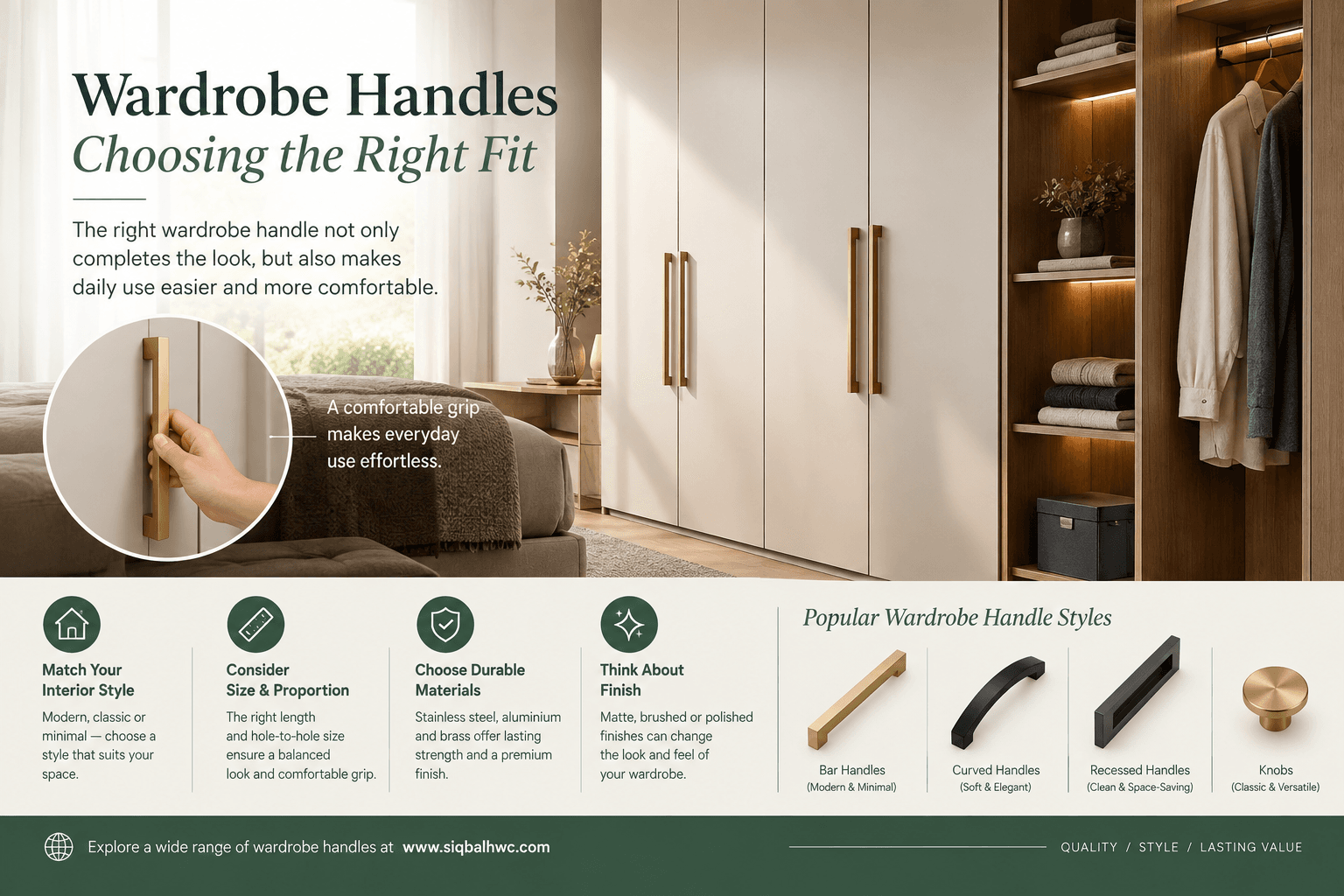
Wardrobe Handles: Choosing the Right Fit
How to choose wardrobe handles that look right and feel good every day: style, length, material, finish and where to place them on large doors.
1 October 2026 — 4 min read
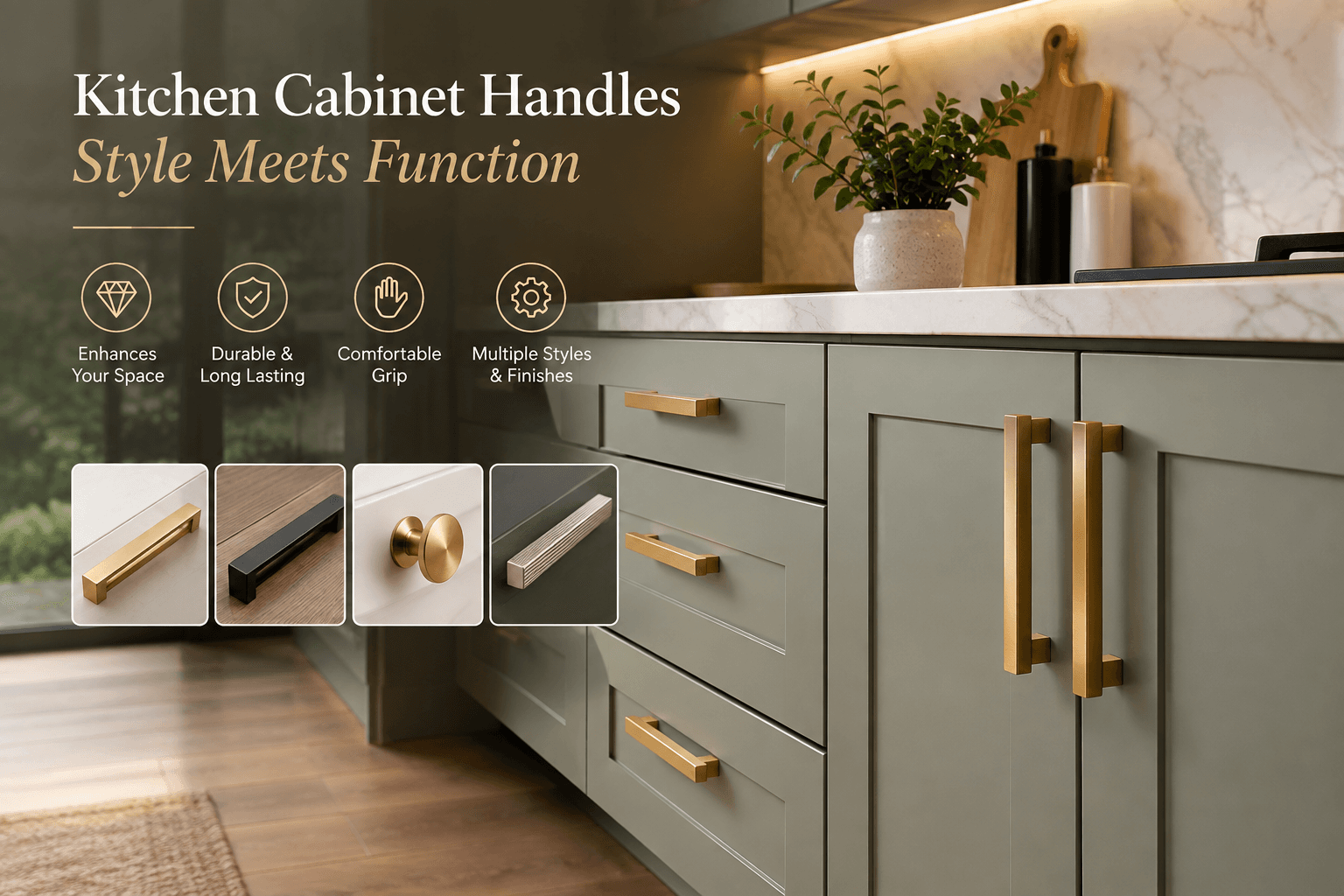
Kitchen Cabinet Handles: Style Meets Function
Kitchen cabinet handles must look good and work every day. Learn how to pick the right size, material and finish, and where to place handles on doors and drawers.
1 October 2026 — 4 min read